
To the Victor Goes the Spoils
A counterfeit commemorative plate series that looks like praise—until you read it.
This series borrows the visual language of patriotic collectibles—polished, ceremonial, meant for display—and uses it against itself.
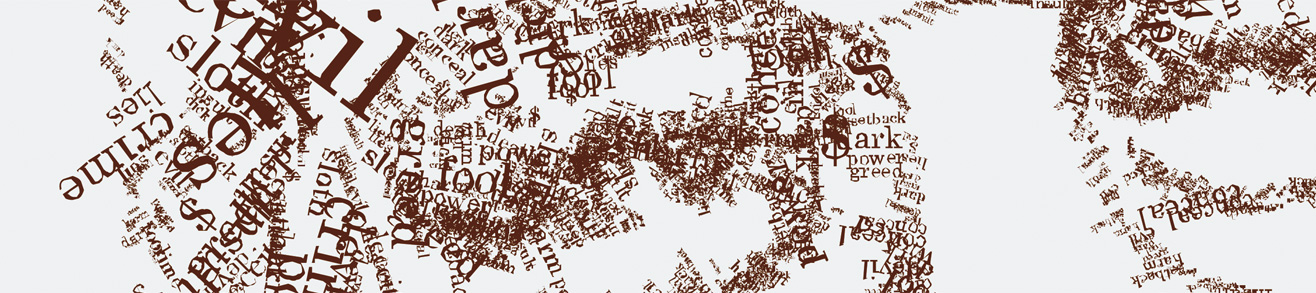
Each plate is a portrait built from the words that follow its subject around like a parade: the slogans, the justifications, the tidy narratives, the convenient amnesia. It’s humor, critique, and craftsmanship in the same object—because that’s exactly how legacy gets sold.

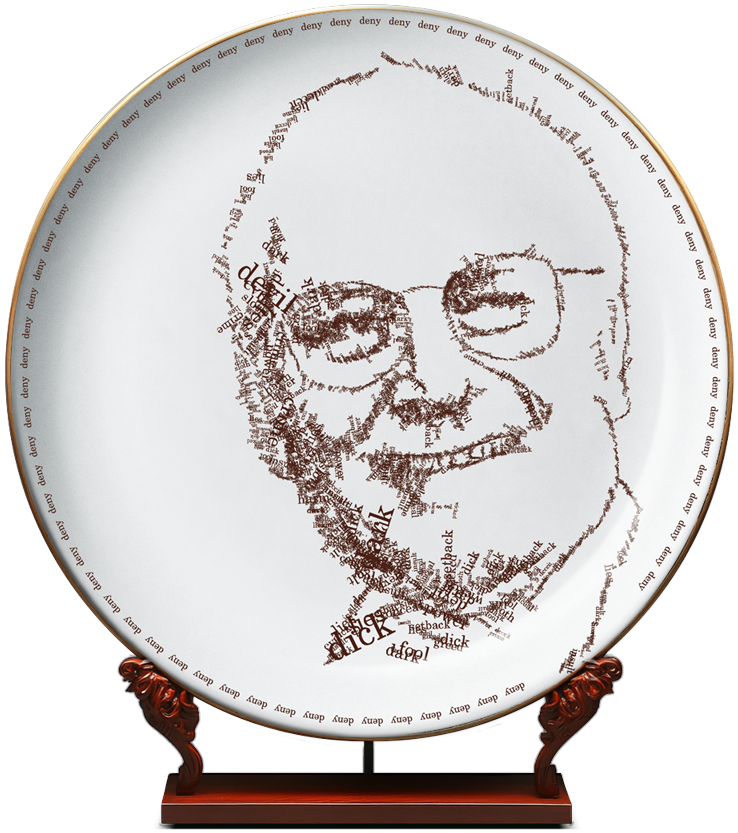
Power
Cheney represents power in its cleanest form: not performance, but control. Strategy, pressure, leverage—exercised quietly, often offstage, with outcomes that didn’t need his face attached to them. The portrait is built from the language that made those decisions feel inevitable.
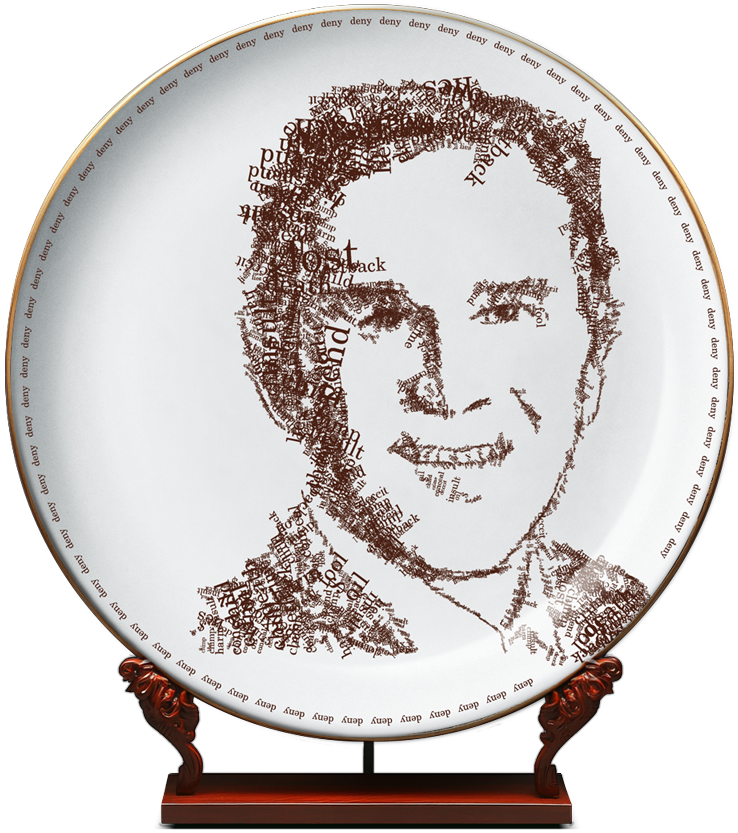
Deceit
Bush reads here as the permission structure—the public face that made the machine feel normal. The deceit isn’t “cartoon villain” deceit; it’s the comforting story, the simplified certainty, the version that plays well on television. A friendly surface that helps momentum keep moving.
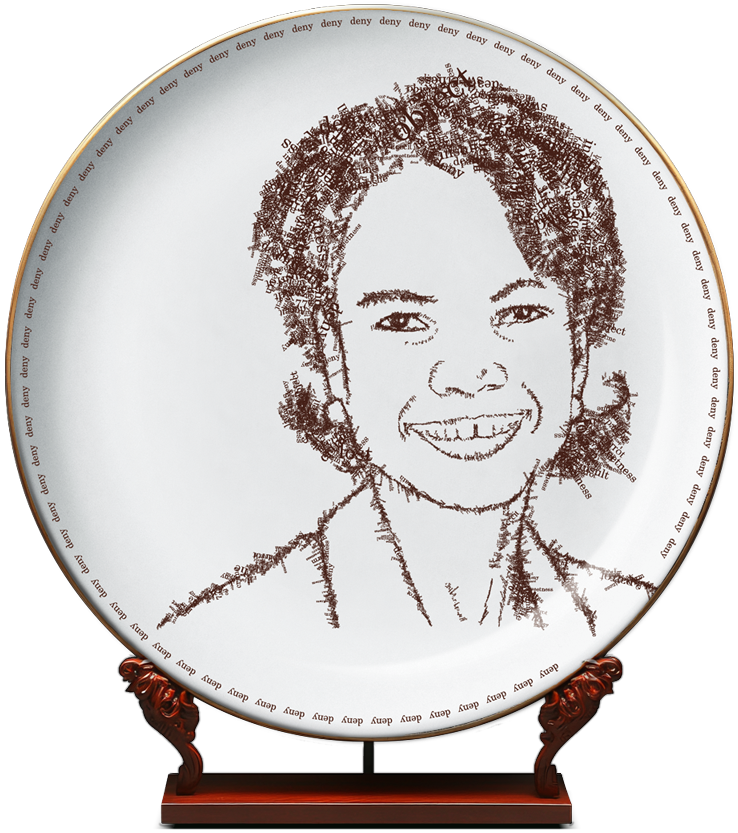
Complicit
Rice represents the credible voice—the one who can translate strategy into something the public will accept. Complicit doesn’t mean she authored every decision; it means she helped carry the message, clean it up, and deliver it with authority. This portrait is about how power sells itself when it needs to sound responsible.

HOW IT WAS MADE
The portraits were drawn using a custom Adobe Flash program I built in 2011—buggy, unpredictable, and completely unforgiving.
I could feed the program a list of words, but I had very little control over which word would appear next, or what size it would land. Worse: there was no pause, no undo, no clean exit. Once a portrait began, it had to be drawn straight through to the end. Any mistake—or any weird Flash glitch—meant starting over from scratch.
That limitation became part of the point. The process mirrors the subject: momentum you can’t easily stop, language you can’t fully control, and outcomes you only see once it’s too late to take them back.